
MRGLAS guide
Privacy glass or clear glass? How we'd choose
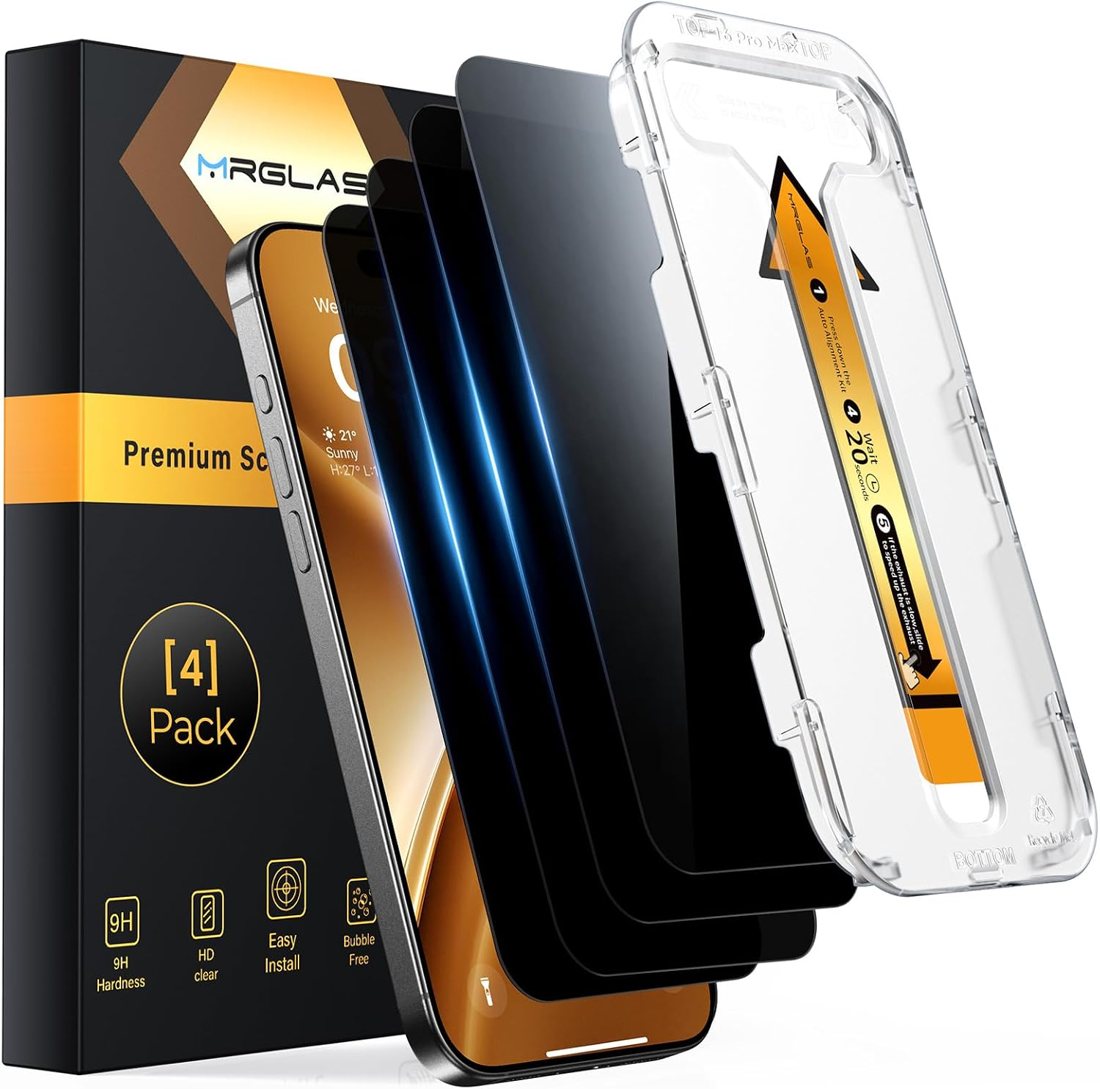
A privacy screen protector is a clear pane with a micro-louver layer inside — think of a set of tiny window blinds standing on edge. Straight on, light passes through. At an angle, the blinds block it.
What 23° means
Our privacy layer narrows the visible cone to about 23° either side of center. Most privacy glass on the market uses 30°; the narrower the cone, the sooner the screen goes dark for the person next to you.
What it costs you
Head-on brightness drops slightly — most people nudge auto-brightness up a notch. Colors stay true. Face ID, fingerprint unlock and touch are unaffected.
When clear is better
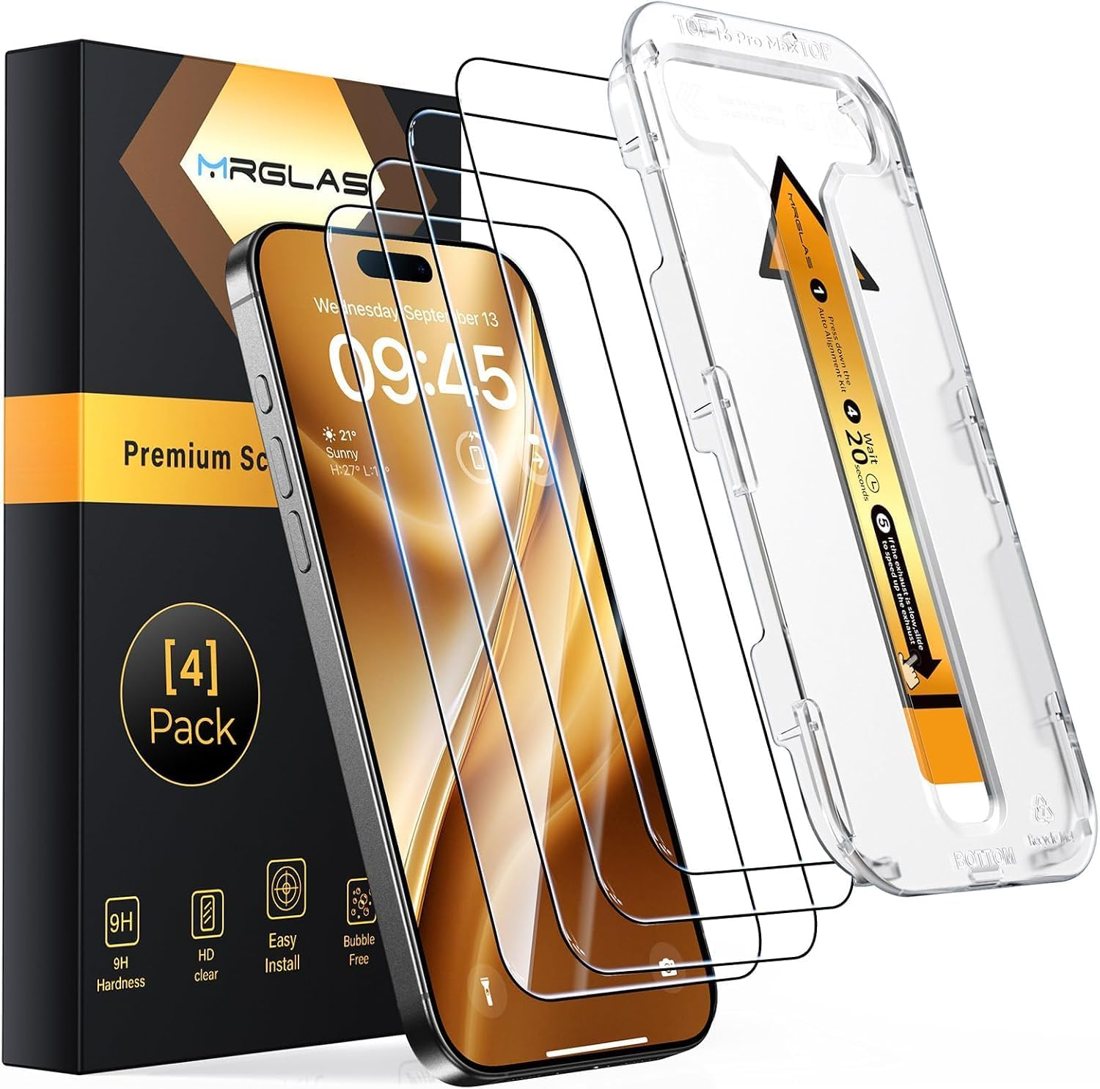
If you shoot and edit photos on the phone, share the screen with family, or read in bright sunlight, clear glass gives you every nit the display has.
When armor is better
Armor is our clear glass built for rough use — site work, school bags, a pocket full of keys. Same clarity, extra confidence at the edges.
Quick answers
The louvers run one way, so privacy is strongest side-to-side in portrait. In landscape, people above or below you see less of an effect.
Yes — the glass comes off cleanly. Lift a corner with a fingernail or a thin card and peel slowly.